Wind power harnesses kinetic energy from moving air to generate electricity via wind turbines. It stands as one of the fastest-growing renewable energy sources, offering clean, sustainable power without greenhouse gas emissions during operation.
Humans have used wind for millennia—sailing ships and grinding grain with windmills—but modern electricity generation began in the late 19th century. The first turbine for power appeared in 1887 in Scotland. Large-scale adoption surged in the late 20th century amid oil crises and environmental concerns.
As of late 2025, global installed wind capacity exceeds 1,245 GW (mid-year), with projections surpassing 1,320 GW by year-end after record additions. Wind supplies about 12% of global electricity, led by China (over 600 GW). The sector’s growth stems from falling costs (down >30% since 2015), technological advances, and policies targeting net-zero emissions.
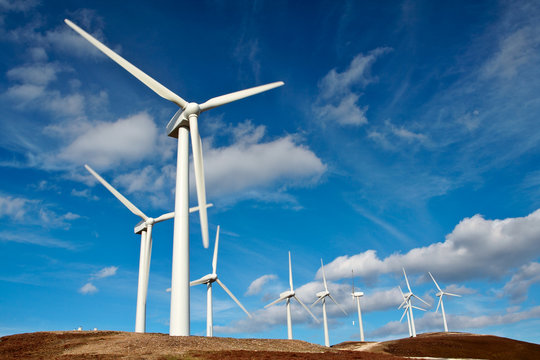
How Wind Turbines Work
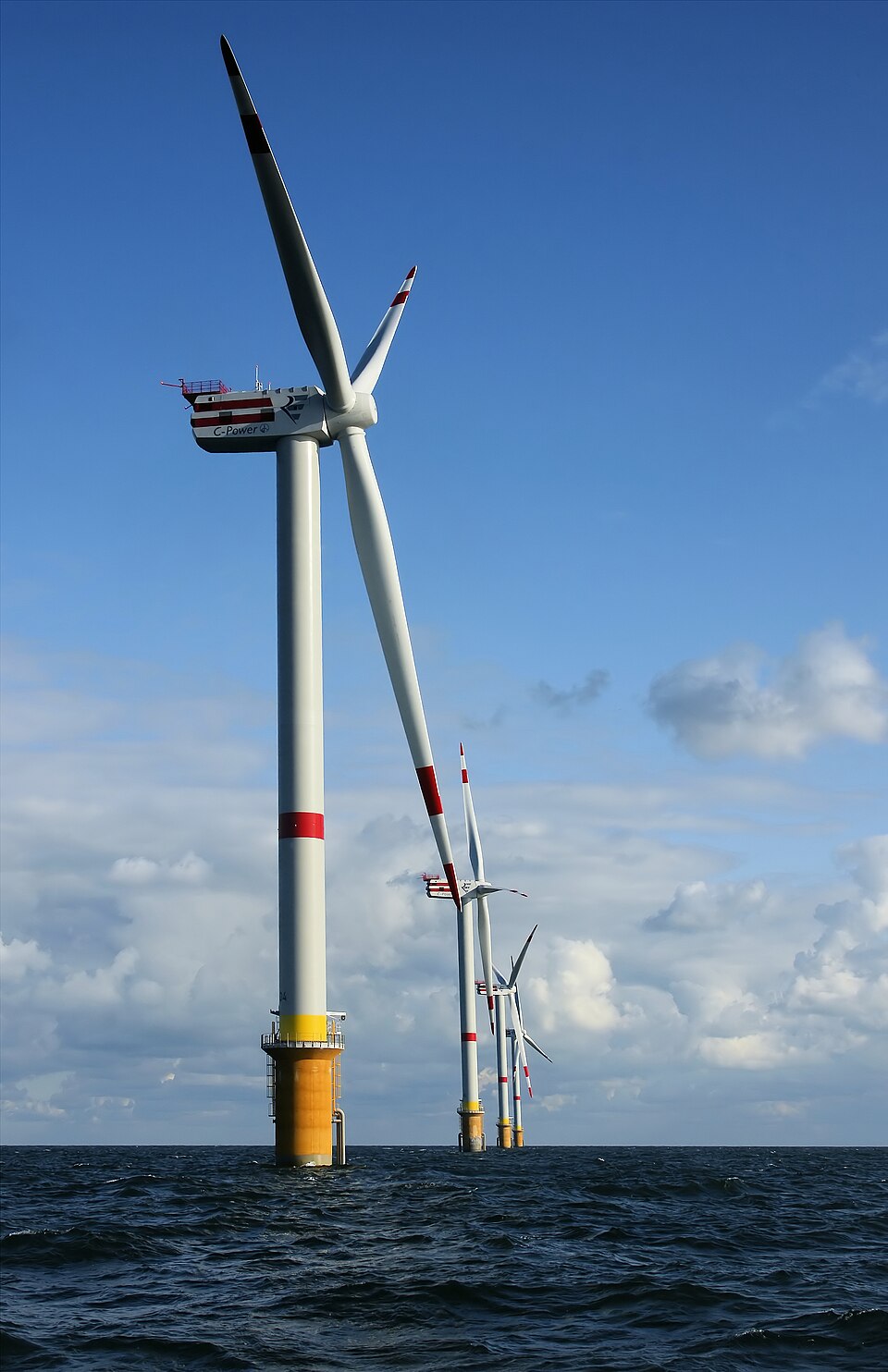
Modern turbines feature horizontal-axis designs with three blades. Key components include:
- Rotor blades — Capture wind.
- Nacelle — Houses generator, gearbox, controls.
- Tower — Supports height for stronger winds.
- Foundation — Anchors onshore or offshore.
Wind turns blades, spinning a shaft connected to a generator for electricity. Larger turbines (hub heights >100m, rotors >150m) boost efficiency.
Types of Wind Power
- Onshore → Land-based; ~93% of capacity; cheaper, mature.
- Offshore → Sea-based; stronger winds, larger turbines; growing fast (~7% but expanding).
Current Status and Market (2025)
- Installed Capacity — Over 1,245 GW mid-2025; expected >1,320 GW by end.
- Additions — Record ~150 GW projected for 2025, led by China (~72% market share in H1).
- Electricity Share — ~12% globally; higher in Europe (>25% in some countries).
- Cost — Often cheapest new source; onshore competitive with gas/coal.
Top countries: China (>600 GW), USA, Germany, India, Spain.
Advantages
- Renewable and abundant.
- Zero operational emissions.
- Low operating costs.
- Job creation and energy independence.
- Scalable with minimal land use (farming compatible).
Disadvantages
- Intermittent (needs storage/grid upgrades).
- Visual/noise impacts.
- Wildlife risks (birds/bats).
- High upfront costs.
- Supply chain constraints.
Environmental Impact
Wind reduces CO₂ (avoiding billions of tons annually) and air pollution. Offshore creates artificial reefs; onshore affects less than fossil fuels. Challenges include rare earth mining and end-of-life recycling.
Future Outlook
Projections: Tripling by 2030 possible with policy support. Innovations: Larger turbines, floating offshore, hybrid solar-wind.
Wind power is pivotal for decarbonization, offering sustainable electricity as technology and investment accelerate.
More articles by ZMR Researche:
https://www.zionmarketresearch.com/de/report/clot-management-devices-market
https://www.zionmarketresearch.com/de/report/acellular-therapy-market
https://www.zionmarketresearch.com/de/report/assembly-automation-systems-market
https://www.zionmarketresearch.com/de/report/sous-vide-machine-market
https://www.zionmarketresearch.com/de/report/aromatic-compounds-market