Prime Power Generator is a stationary or mobile power generation system designed to operate continuously as the primary source of electricity for a facility, site, or operation where grid power is unavailable, unreliable, or insufficient. Unlike standby generators (which activate only during outages), prime generators run for unlimited hours annually, typically at variable load (up to 100% rated capacity), providing reliable, on-demand power in remote or off-grid locations.
The concept evolved from early diesel engines in the 20th century, with modern prime power systems incorporating advanced controls, fuel efficiency, and emissions compliance. As of 2025, the global prime power generator market is valued at approximately USD 15-20 billion, driven by mining, oil & gas exploration, construction, military operations, telecommunications, and data centers in developing regions. Demand grows with infrastructure expansion, renewable intermittency (hybrid prime systems), and disaster resilience needs. Leading manufacturers include Caterpillar, Cummins, Kohler, Generac, Atlas Copco, and Perkins.
Operating Principle and Types
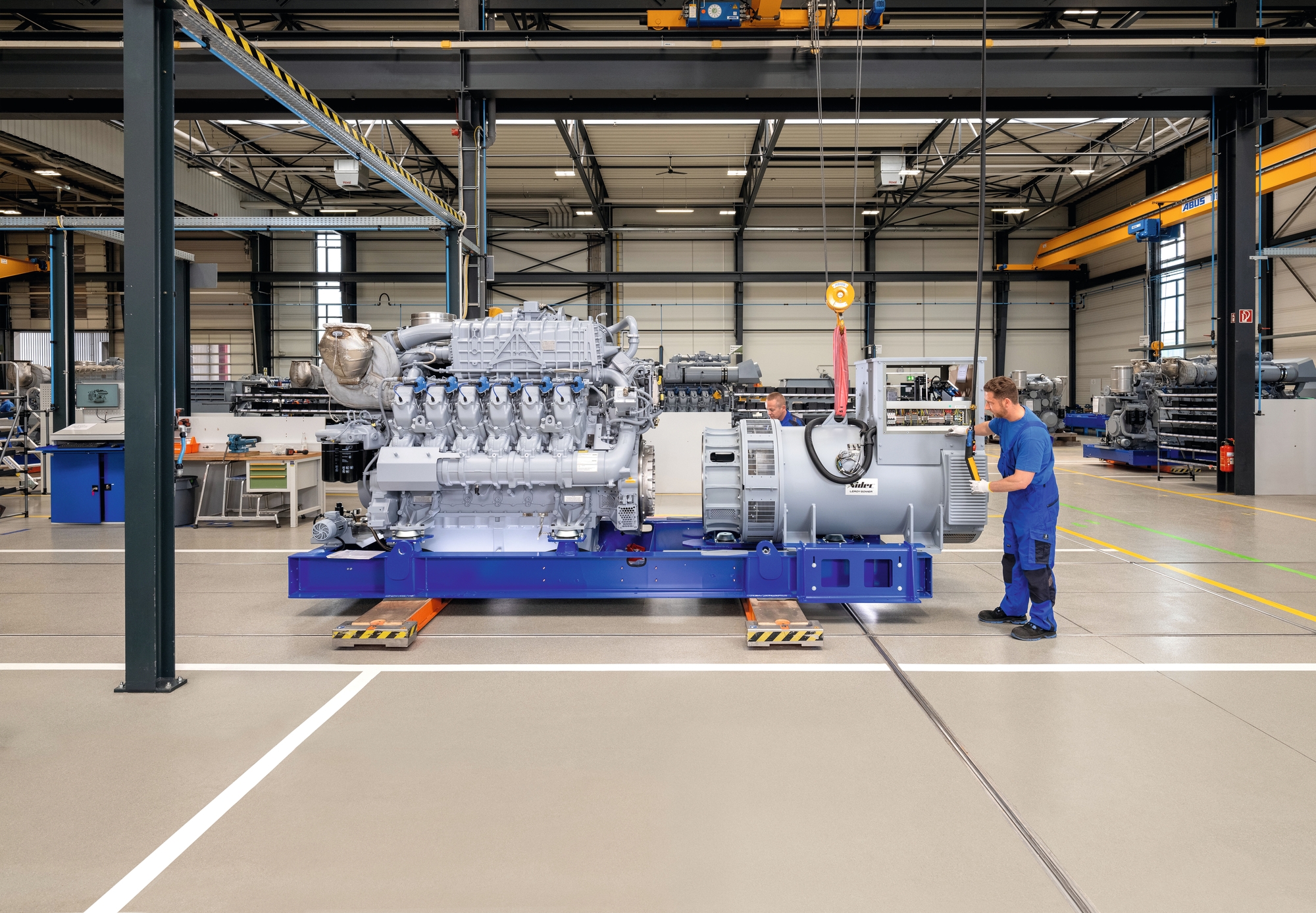
Prime Generators Convert fuel energy into electrical power via an internal combustion engine coupled to an alternator:
- Engine: Diesel (most common), natural gas, biogas, or dual-fuel.
- Alternator: Synchronous, brushless for stable voltage/frequency.
- Control System: Governor (speed), AVR (voltage regulation).
Types by fuel:
- Diesel Prime Generators Dominant; high torque, fuel efficiency, long runtime. Ratings: 10 kW-3 MW+.
- Natural Gas/Propane Cleaner emissions; continuous fuel supply via pipeline.
- Biogas/Dual-Fuel Sustainable; switch between diesel and gas.
- Hybrid Integrated with solar/battery for reduced fuel use.
Mobile (trailer-mounted) vs. stationary (skid/containerized).
Ratings: Prime power (unlimited hours, variable load); standby higher rating but limited hours.
Key Components
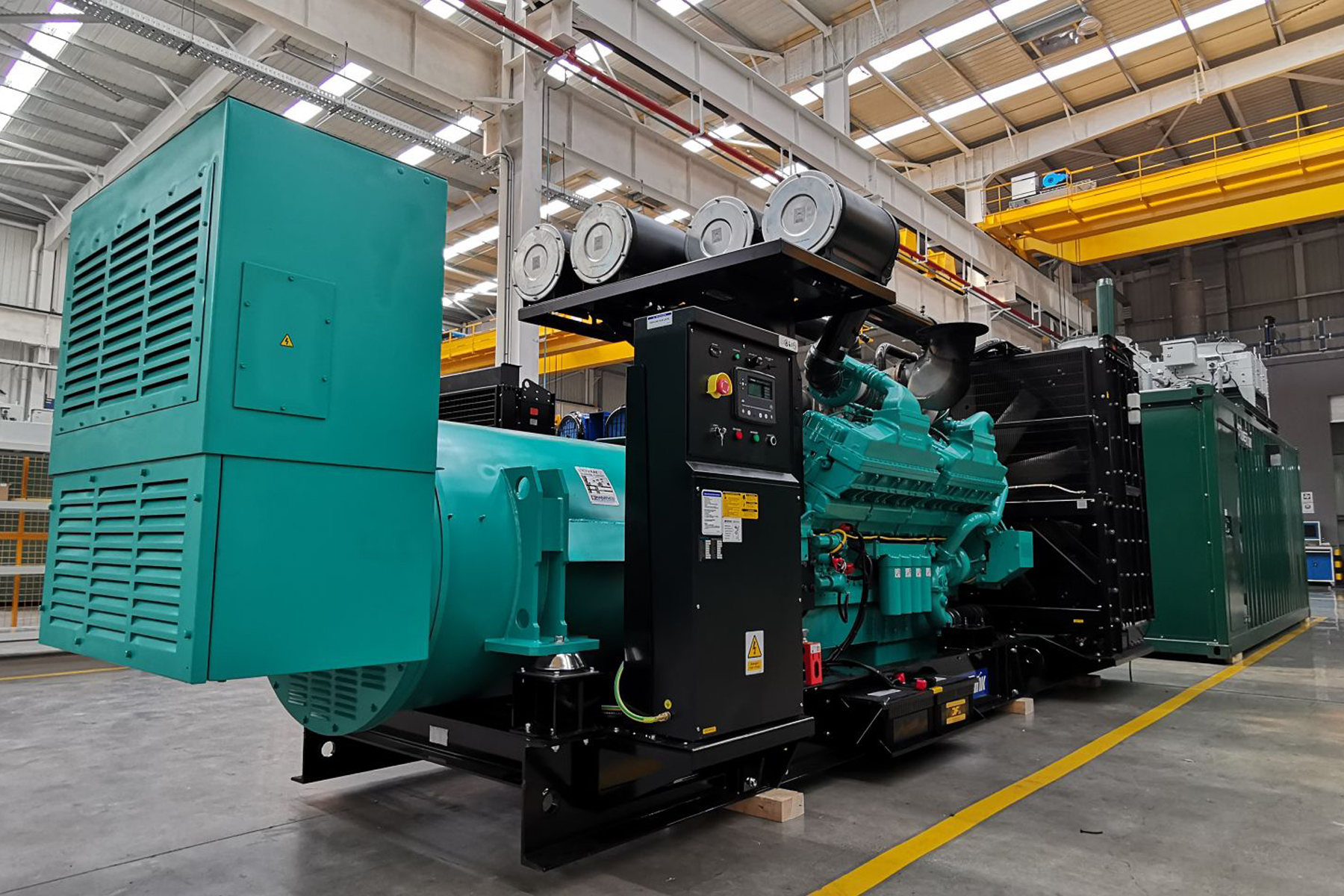
A typical prime generator includes:
- Engine: Heavy-duty, turbocharged, water-cooled.
- Alternator: 3-phase, 50/60 Hz, 400-480V common.
- Fuel System: Day tank, filtration, pumps.
- Cooling: Radiator or heat exchanger.
- Exhaust: Silencer, emissions controls (SCR, DPF).
- Control Panel: PLC/microprocessor for monitoring, paralleling.
- Enclosure: Sound-attenuated, weatherproof.
- Base Frame/Skid: Vibration isolation.
Applications
Prime generators serve where grid unreliable or absent:
- Remote Industrial Mining, oil & gas drilling, logging.
- Construction Sites Temporary power for tools, lighting.
- Telecommunications Cell towers in rural areas.
- Military/Defense Forward bases, field hospitals.
- Agriculture Irrigation pumps, processing.
- Events and Temporary Facilities Festivals, disaster relief.
- Data Centers/Hospitals Primary in off-grid or unreliable regions.
- Islands/Remote Communities Main electricity source.
Advantages
- Unlimited runtime.
- Reliable power in harsh environments.
- Fuel flexibility.
- Scalable (paralleling multiple units).
- Lower cost per kWh vs. standby at high utilization.
Challenges and Considerations
- Fuel logistics/storage.
- Emissions/noise (mitigated by enclosures, aftertreatment).
- Maintenance (oil changes, filters every 250-500 hours).
- Initial cost (USD 300-800/kW installed).
- Heat management in hot climates.
Performance and Standards
- Load acceptance: ISO 8528 (G2/G3 classes).
- Emissions: EPA Tier 4 Final, EU Stage V.
- Fuel consumption: 0.2-0.3 L/kWh diesel.
- Noise: 65-85 dB(A) at 7 m (enclosed).
Market Trends
- Hybrid integration (solar/diesel for 30-50% fuel savings).
- Hydrogen/dual-fuel readiness.
- Remote monitoring/IoT.
- Containerized modular units.
- Rental fleets growth.
Asia-Pacific and Middle East lead demand.
Maintenance and Operation
- Daily checks: Fuel, oil, coolant.
- Scheduled service: 250/500/1,000-hour intervals.
- Load banking to prevent wet stacking (diesel).
Environmental Impact
Modern units with SCR/DPF reduce NOx/particulates 90%+. Biofuels lower carbon. Noise/vibration mitigated.
Conclusion
Prime power generators provide essential, reliable electricity for operations beyond grid reach, supporting industries from mining to military. Advances in emissions control, hybridization, and digital monitoring enhance efficiency and sustainability. As infrastructure expands in remote areas and resilience needs grow, prime generators remain vital for continuous, independent power supply. Proper sizing, fuel management, and maintenance ensure optimal performance and longevity in demanding applications.
More articles by ZMR Researche:
https://www.zionmarketresearch.com/de/report/epoxy-composite-market
https://www.zionmarketresearch.com/de/report/packaged-food-essence-ingredient-market
https://www.zionmarketresearch.com/de/report/fashion-event-market
https://www.zionmarketresearch.com/de/report/secondary-macronutrients-market
https://www.zionmarketresearch.com/de/report/refurbished-smart-watches-market