Well intervention services encompass a broad range of operations performed on oil, gas, or water wells during their productive life to maintain, enhance, or restore production without the need for a full rig-based workover. These services include diagnostic, remedial, and stimulation activities aimed at optimizing reservoir performance, addressing downhole issues, and extending well life in a cost-effective manner.
The concept of well intervention dates to the early 20th century with basic wireline operations, but modern services expanded in the 1970s-1980s with coiled tubing, snubbing, and electric wireline advancements. Offshore and subsea interventions grew in the 1990s-2000s. As of 2025, the Global Well Intervention Market is valued at approximately USD 10-12 billion annually, growing at 5-7% CAGR driven by mature field revitalization, offshore deepwater projects, unconventional shale maintenance, and the energy transition’s focus on maximizing existing assets. Major service providers include Schlumberger (SLB), Halliburton, Baker Hughes, Weatherford, and Expro, offering integrated solutions from light (wireline) to heavy (rig-assisted) interventions.
Well intervention services balance production optimization with cost control, safety, and environmental impact, playing a critical role in extending field life and reducing new drilling needs.
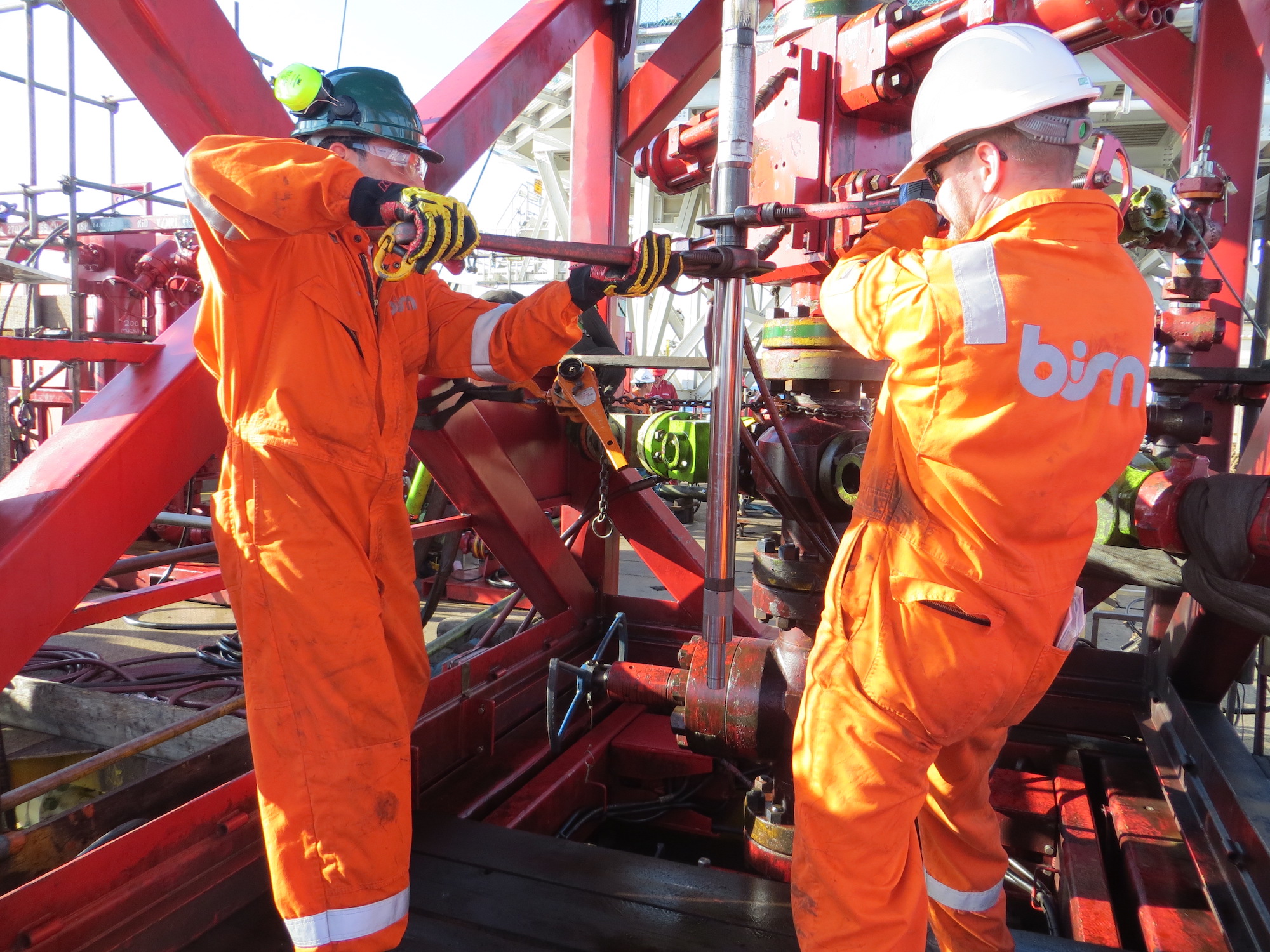
Types of Well Intervention Services
Interventions are classified by method and objective:
- Light Interventions (Rigless) Performed without a drilling rig; lower cost, faster mobilization.
- Wireline (Slickline/Braided/Electric Line): Mechanical (slickline) or logging/tool deployment (e-line).
- Uses: Perforating, plug setting, fishing, production logging, PLT (production logging tools).
- Coiled Tubing (CT): Continuous steel tube deployed from reel.
- Uses: Cleanouts, acidizing, nitrogen kickoff, milling, logging.
- Sizes: 1-3.5 inch diameter; depths >30,000 ft.
- Wireline (Slickline/Braided/Electric Line): Mechanical (slickline) or logging/tool deployment (e-line).
- Heavy Interventions (Rig-Assisted) Require workover rig or hydraulic workover unit (HWU).
- Snubbing: Pipe deployment under pressure.
- Workover: Full tubing/pulling, recompletion.
- Pumping Services
- Acidizing (matrix/stimulation).
- Hydraulic fracturing (limited in conventional).
- Cementing, scale/sand control.
- Subsea Interventions
- Riserless light well intervention (RLWI) vessels.
- Subsea wireline/CT from vessels.
- Diagnostic and Monitoring
- Downhole cameras, gauges, fiber optics (DAS/DTS).
Key Techniques and Tools
- Wireline: Tractor deployment for horizontal wells.
- Coiled Tubing: Extended reach, real-time downhole measurements.
- Electric Line: Conveyance for perforating guns, logging tools.
- Thru-Tubing: Interventions without pulling completion.
- Intelligent Completions: Downhole valves/sensors for remote control.
Emerging: Robotics (downhole tractors, autonomous tools), digital twins for planning.
Objectives of Well Intervention
- Production Enhancement
- Remove blockages (wax, scale, sand).
- Stimulate reservoir (acidizing, fracturing).
- Well Integrity
- Repair leaks, replace valves, cement squeezes.
- Data Acquisition
- Reservoir monitoring, saturation logging.
- Zonal Control
- Plug/isolate zones, water/gas shutoff.
- Decommissioning
- P&A (plug and abandonment).
Applications by Well Type
- Onshore Conventional: Frequent cleanouts, pumping.
- Offshore/Subsea: High-cost RLWI, vessel-based.
- Unconventional (Shale): Refrac, cleanout after initial depletion.
- Mature Fields: Water shutoff, artificial lift installation.
- HPHT/Deepwater: Specialized tools for extreme conditions.
Advantages
- Lower cost vs. new drilling/workover (30-70% savings).
- Faster mobilization.
- Reduced environmental footprint.
- Extended field life.
Challenges
- Downhole complexity (horizontal, multilateral).
- Safety risks (pressure control).
- Tool limitations (reach, temperature).
- Regulatory compliance (well control).
Market Trends
- Digitalization: Real-time data, AI optimization.
- Electrification: E-coiled tubing, wireline tractors.
- Lightweight interventions (vessel-based offshore).
- Sustainability: Reduced flaring, low-emission units.
- Asia-Pacific/Middle East growth (mature fields).
Major Service Providers
- SLB (Schlumberger): Comprehensive wireline/CT.
- Halliburton: Coiled tubing, stimulation.
- Baker Hughes: Thru-tubing, subsea.
- Weatherford: Fishing, plug/abandonment.
- Expro: Well testing, intervention.
Safety and Environmental Considerations
- Blowout prevention (BOP for snubbing).
- H₂S handling.
- Spill prevention.
- Emissions reduction (electric units).
Conclusion
Well intervention services are essential for optimizing production, maintaining integrity, and extending economic life of oil and gas wells worldwide. From wireline diagnostics to coiled tubing cleanouts and subsea operations, these techniques balance efficiency with safety in increasingly complex reservoirs. As fields mature and decarbonization pressures rise, intervention evolves toward digital, lightweight, and low-emission solutions. Strategic well intervention maximizes recovery while minimizing new drilling, supporting sustainable hydrocarbon production in the energy transition era.
More articles by ZMR Researche:
https://www.zionmarketresearch.com/de/report/wide-body-aircraft-mro-market
https://www.zionmarketresearch.com/de/report/freight-transport-market
https://www.zionmarketresearch.com/de/report/intraoperative-neuromonitoring-market
https://www.zionmarketresearch.com/de/report/fishing-rod-market
https://www.zionmarketresearch.com/de/report/car-t-cell-therapy-market