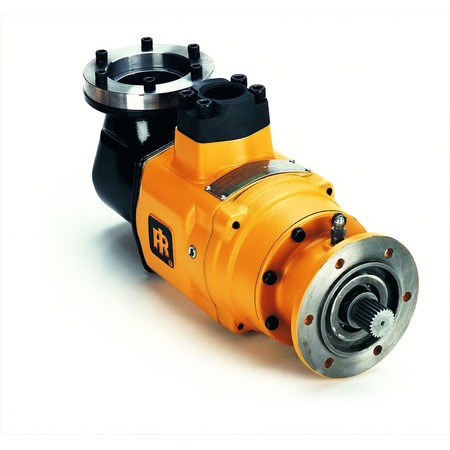
Air Starters, also known as pneumatic starters or air turbine starters, are devices that use compressed air to initiate the rotation of internal combustion engines, particularly large diesel or gas engines. They convert the energy of expanding compressed air into mechanical torque to crank the engine until it reaches firing speed. Air starters are prized for their reliability, safety, and performance in harsh environments where electric starters may fail due to spark risks, battery limitations, or extreme conditions.
First patented in the early 20th century, air starters gained prominence during World War II for military vehicles and aircraft. Post-war, they became standard in heavy industries. Key manufacturers include Ingersoll Rand (TDI and GHH Rand brands), Torkmatic, Maradyne, and IPU Group. As of 2025, the air starter market is valued at several hundred million USD, driven by oil & gas, mining, marine, and power generation sectors, with demand for explosion-proof and high-torque models in hazardous locations.
Operating Principle
Air starters function on the vane or turbine principle:
- Compressed Air Supply: Typically 100-150 psi (7-10 bar) from onboard reservoirs charged by engine-driven compressors.
- Air Delivery: Air flows through a valve into the starter housing.
- Torque Generation:
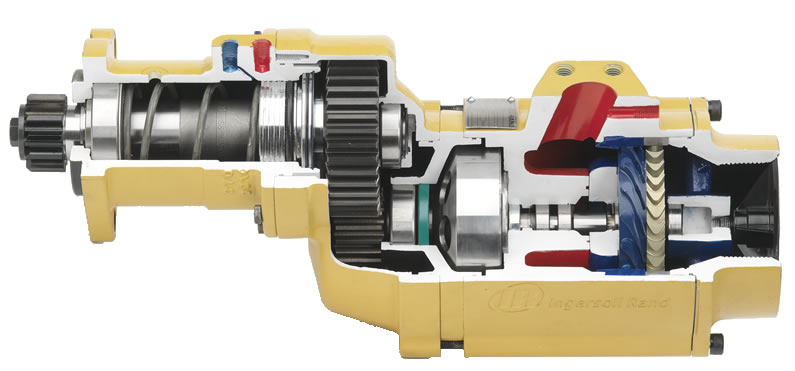
- Vane Type: Air expands against sliding vanes in a rotor, creating torque.
- Turbine Type: Air impinges on turbine blades for higher speed/torque.
- Pinion Engagement: Starter drive (Bendix or pre-engaged) meshes with engine flywheel ring gear.
- Cranking: Engine rotates until self-sustaining (300-600 RPM typical).
- Disengagement: Pinion retracts automatically.
Inert gas (nitrogen) variants exist for ultra-hazardous areas.
Types of Air Starters
- Vane Air Starters Most common; compact, cost-effective, good low-temperature performance. Torque: 50-300 ft-lb. Popular for engines up to 50 liters.
- Turbine Air Starters Higher power density, faster cranking, longer life. Preferred for large engines (>50 liters) in oil & gas/marine. Torque: 200-1,000+ ft-lb.
- Pre-Engaged vs. Inertia
- Pre-engaged: Pinion meshes before air flow; smoother, quieter.
- Inertia: Pinion engages via flyweight momentum; simpler but noisier.
- Explosion-Proof/ATEX Certified For Zone 1/2 hazardous areas (oil rigs, mines).
- Hydraulic-Assisted Hybrid for very large engines.
Advantages Over Electric Starters
- No spark risk: Safe in explosive atmospheres (Class I Div 1).
- High torque at low air consumption.
- Reliable in extreme temperatures (-40°C to +60°C).
- No battery maintenance or explosion risk.
- Instant re-start capability (multiple attempts without cooldown).
- Lightweight relative to power output.
Limitations: Requires compressed air system; higher initial infrastructure cost.
Applications
Air Starters dominate in:
- Oil & Gas: Offshore platforms, fracking rigs, pipelines.
- Mining: Underground haul trucks, loaders (explosion-proof).
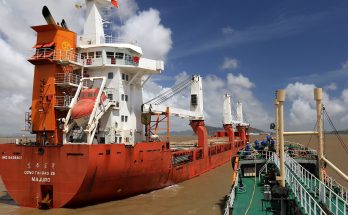
- Marine: Ship engines, generators.
- Power Generation: Emergency diesel generators.
- Rail and Heavy Equipment: Locomotives, excavators.
- Military: Tanks, armored vehicles.
Smaller vane starters used in aviation ground power units.
Key Components and Maintenance
- Drive Assembly: Pinion, clutch, overrunning mechanism.
- Motor Housing: Vane or turbine rotor.
- Control Valve: Solenoid or manual for air regulation.
- Lubrication: In-line oilers or pre-lubricated sealed units.
Maintenance: Filter/regulator servicing, vane inspection (every 1,000-2,000 starts), drive gear lubrication. Overhaul intervals: 10,000-20,000 starts.
Performance Specifications
- Starting Torque: 50-1,500 ft-lb.
- Air Consumption: 100-600 cfm.
- Cranking Speed: 100-300 RPM.
- Weight: 20-200 kg depending on size.
Efficiency improvements: Variable-reluctance motors reduce air use by 20-30%.
Market Trends
- Shift to turbine for large engines (>20L).
- Integration with engine management systems.
- Lightweight composites for reduced weight.
- Aftermarket growth in emerging markets (Middle East, Africa).
Safety and Standards
Compliant with API, ATEX, IECEx for hazardous locations. Noise reduction and exhaust silencing common features.
Conclusion
Air starters remain the preferred solution for reliable, safe engine starting in demanding industrial and hazardous environments. Their robust design, instant power delivery, and compatibility with large engines ensure continued relevance despite electrification trends in smaller applications. Ongoing improvements in efficiency and materials support their role in critical infrastructure worldwide.
More articles by ZMR Researche:
https://www.zionmarketresearch.com/de/report/chambered-doctor-blade-systems-market
https://www.zionmarketresearch.com/de/report/femoral-canal-brush-market
https://www.zionmarketresearch.com/de/report/idi-contact-technology-market
https://www.zionmarketresearch.com/de/report/oil-mist-separator-market
https://www.zionmarketresearch.com/de/report/cross-traffic-alert-market