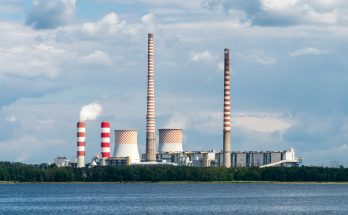
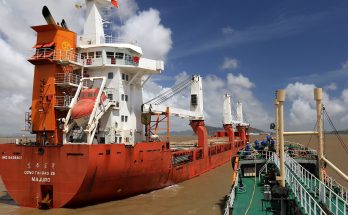
Low carbon liquid fuels (LCLFs) are alternative fuels designed to significantly reduce greenhouse gas emissions compared to conventional fossil fuels like gasoline, diesel, and kerosene. These include biofuels (e.g., biodiesel, renewable diesel, ethanol) and synthetic or e-fuels produced via power-to-liquid (PtL) processes.
LCLFs are “drop-in” compatible with existing engines and infrastructure, making them crucial for decarbonizing hard-to-electrify sectors like aviation, shipping, heavy transport, and industry. The global market for related segments (e.g., carbon-neutral/sustainable fuels) was valued at USD 98–193 billion in 2024, projected to reach USD 184–300 billion by 2030–2033, with CAGRs of 7–9% driven by regulations, net-zero goals, and demand for sustainable aviation fuel (SAF).
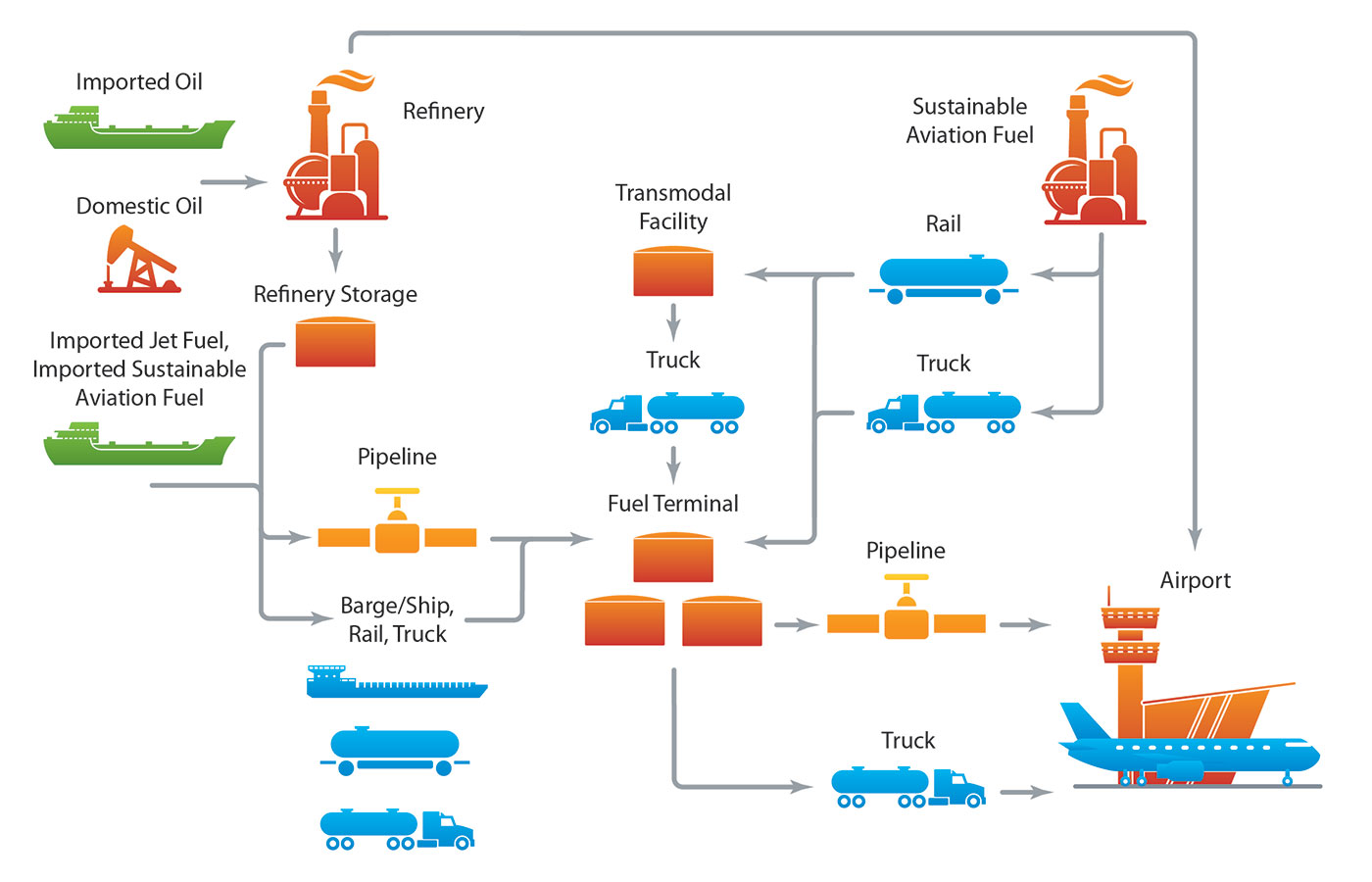
History and Development
Efforts to develop low-carbon alternatives began in the early 20th century with biofuels like ethanol during oil shortages. Biodiesel emerged in the 1930s–1940s, while synthetic fuels (e.g., Fischer-Tropsch from coal) were pioneered in Germany during WWII.
Modern development accelerated in the 1970s oil crises, leading to bioethanol programs in Brazil and the U.S. The 2000s saw advanced biofuels and SAF pathways, spurred by renewable fuel standards (e.g., U.S. RFS, EU RED). E-fuels/PtL gained traction in the 2010s–2020s with green hydrogen advancements and climate targets. By 2025, commercial SAF production scales up, with e-fuels pilots transitioning to larger plants.
How Low Carbon Liquid Fuels Are Produced
Production varies by type:
- Biofuels: From biomass (crops, waste, algae). Processes include fermentation (ethanol), transesterification (biodiesel), or hydroprocessing (renewable diesel/SAF).
- E-Fuels/Synthetic Fuels (PtL): Renewable electricity powers electrolysis for green hydrogen, combined with captured CO₂ via Fischer-Tropsch or methanol synthesis to produce hydrocarbons.
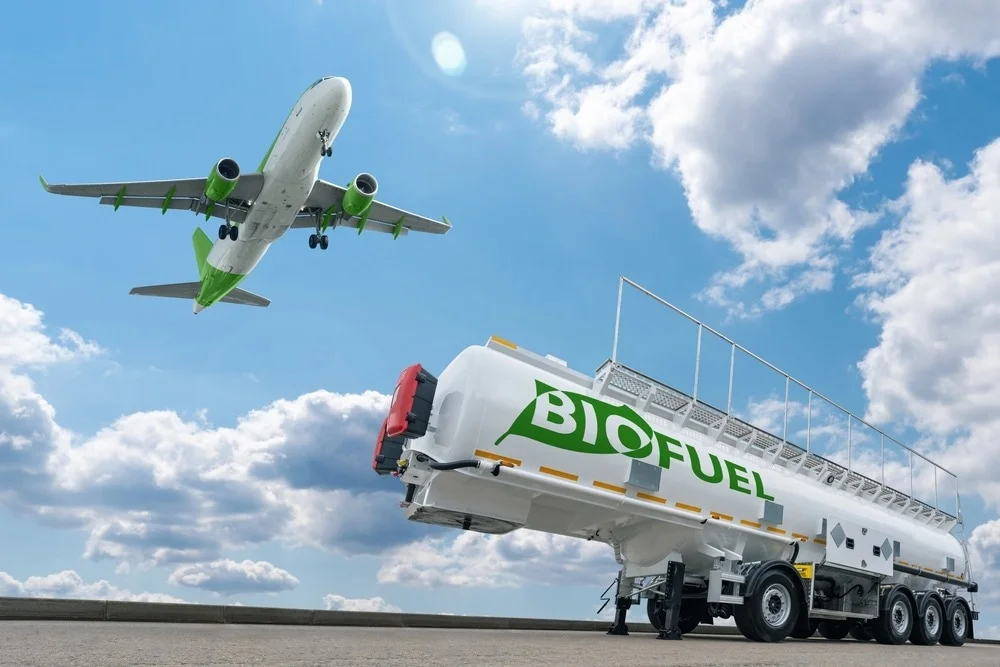
Types of Low Carbon Liquid Fuels
- Biodiesel/Renewable Diesel: From oils/fats; renewable diesel is hydrocarbon-identical to fossil diesel.
- Sustainable Aviation Fuel (SAF): HEFA dominant; emerging alcohol-to-jet, FT.
- E-Fuels: Synthetic kerosene, diesel, methanol from green H₂ + CO₂.
Applications
Primarily aviation (SAF), shipping, heavy trucks, and industry where electrification is challenging.
Advantages and Challenges
Advantages:
- Up to 80–90% lifecycle GHG reduction.
- Drop-in compatibility.
- Energy security, waste utilization.
Challenges:
- High costs (SAF 2–8x fossil jet).
- Feedstock limits (biofuels).
- Scaling e-fuels (energy-intensive).
- Land/water competition.
Conclusion
Low carbon liquid fuels are essential bridges to net-zero, especially for aviation and shipping. Biofuels lead today, while e-fuels promise unlimited scale with renewables. Policy support and innovation will drive costs down, enabling widespread adoption by 2030–2050. For updates, follow IEA or industry leaders like Neste, Gevo.
More articles by ZMR Researche:
https://www.zionmarketresearch.com/de/report/tobacco-paper-market
https://www.zionmarketresearch.com/de/report/digital-gaussmeters-market
https://www.zionmarketresearch.com/de/report/clot-management-devices-market
https://www.zionmarketresearch.com/de/report/bromadiolone-market
https://www.zionmarketresearch.com/de/report/expanded-beam-fiber-optic-connectors-market