Low voltage products and systems refer to electrical equipment and integrated solutions operating at voltages typically below 1000 V AC or 1500 V DC, as defined by standards like IEC 61140. These include components for power distribution, protection, control, and switching in residential, commercial, industrial, infrastructure, and renewable energy applications.
They ensure safe, efficient electricity delivery while supporting modern demands like smart grids, IoT integration, and energy efficiency. The global market was valued at around USD 70–150 billion in recent years (varying by scope), projected to reach USD 200–220 billion by 2030–2035 with CAGRs of 5–7%, driven by urbanization, renewable integration, and industrial automation.
History and Development
Low voltage systems evolved from early electrical distribution in the late 19th century, with standardization in the 20th century through bodies like IEC and NEC. Post-WWII industrialization spurred growth in switchgear and protection devices. The 1990s–2000s saw digital controls and modular designs emerge. Recent decades focus on smart, energy-efficient solutions amid renewable energy rise and smart building trends. Regulations like the EU Low Voltage Directive (2014/35/EU) ensure safety for equipment between 50–1000 V AC.
How Low Voltage Products and Systems Work
These systems distribute power from transformers to end-users, incorporating protection (e.g., overload/short-circuit), switching, and monitoring. Key principles include fault interruption, selective coordination, and energy management. Modern systems integrate IoT for remote monitoring and predictive maintenance.
Types of Low Voltage Products
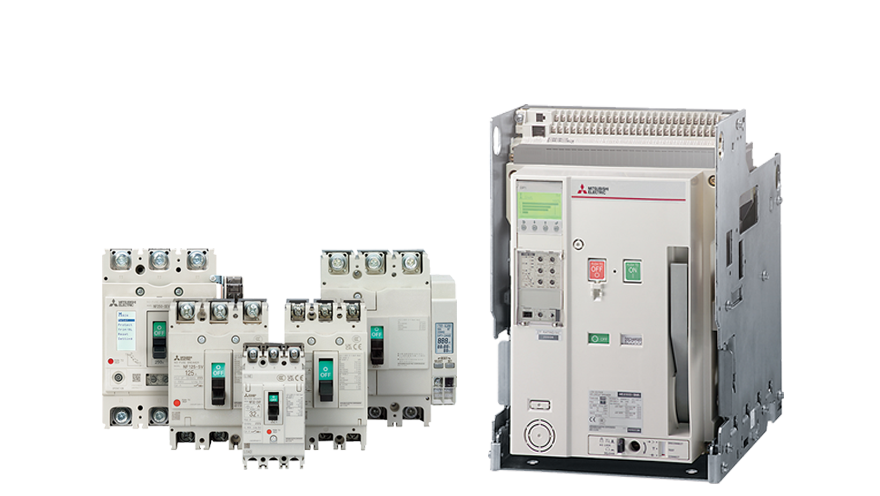
- Circuit Breakers — (MCB, MCCB, ACB): Protect against overloads/short circuits.
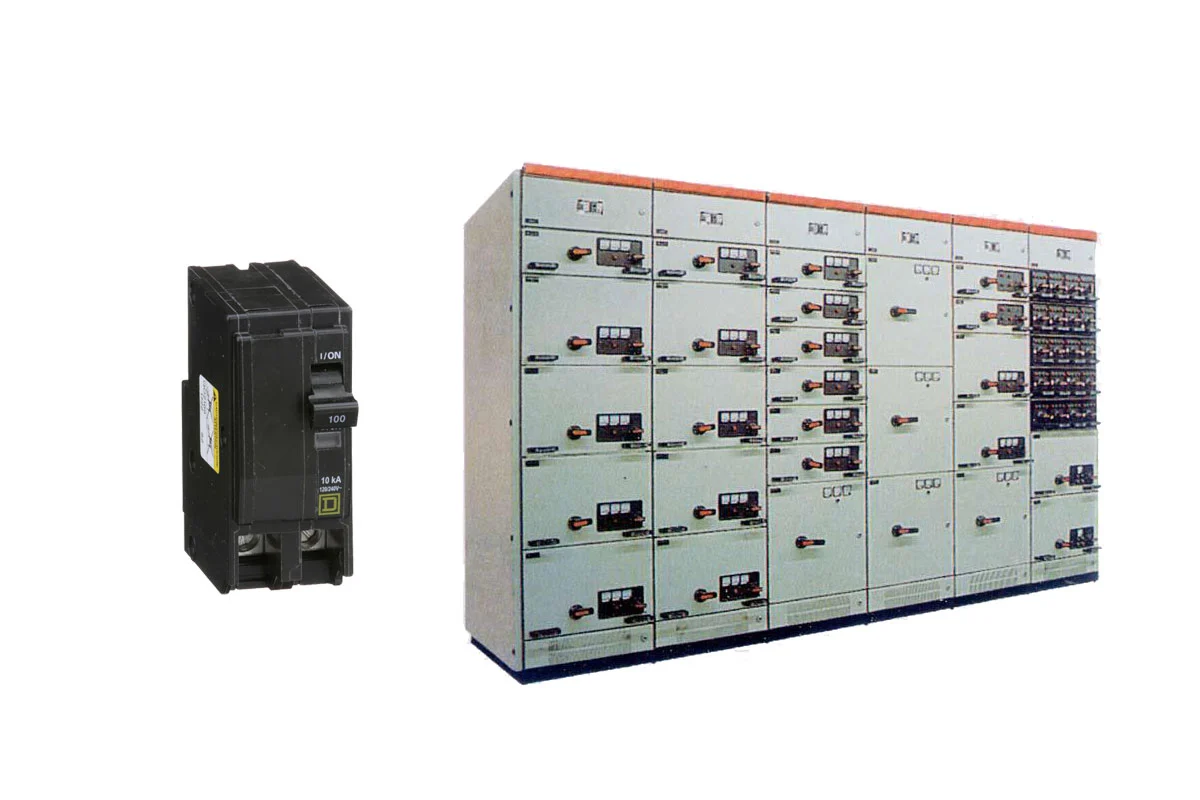
- Switchgear — Assemblies including breakers, switches, busbars for distribution/control.
- Contactors and Relays — For motor control and switching.
- Distribution Panels and Switchboards — Centralize power distribution.
- Motor Starters and Drives — Control electric motors.
- Monitoring Devices — Sensors, meters for energy management.
Applications
- Residential → Smart homes, lighting, appliances.
- Commercial → Buildings, data centers, EV charging.
- Industrial → Automation, motor control, manufacturing.
- Renewable Energy → Solar/wind integration, grid stability.
- Infrastructure → Utilities, transportation.
Advantages and Challenges
Advantages:
- Enhanced safety and reliability.
- Energy efficiency and cost savings.
- Integration with smart technologies.
Challenges:
- High initial costs.
- Raw material price volatility.
- Need for skilled installation/maintenance.
Key Players
Dominant companies include ABB, Schneider Electric, Siemens, Eaton, General Electric, Mitsubishi Electric, Rockwell Automation, and Legrand. They innovate in digital, sustainable solutions.
Future Trends
Digitalization (IoT/AI), renewable integration, modular designs, and sustainability focus will drive growth.
In summary, low voltage products and systems are foundational to modern electrical infrastructure, enabling safe, efficient power management across sectors. Ongoing innovations support global electrification and decarbonization goals. For specific needs, consult standards like IEC or manufacturers like ABB/Siemens/Schneider.
More articles by ZMR Researche:
https://www.zionmarketresearch.com/de/report/alcoholic-tea-market
https://www.zionmarketresearch.com/de/report/construction-repair-composites-market
https://www.zionmarketresearch.com/de/report/europe-blanket-aerogel-market
https://www.zionmarketresearch.com/de/report/acellular-therapy-market
https://www.zionmarketresearch.com/de/report/samarium-cobalt-magnets-market