Offshore Wind Power Generates Electricity from turbines installed in bodies of water, typically oceans or large lakes, where stronger and more consistent winds prevail compared to onshore sites. This technology uses larger turbines in deeper waters to capture greater energy potential.
Development began in the 1990s with small European projects, accelerating in the 2010s due to cost reductions and climate goals. As of mid-2025, global offshore wind capacity stands at approximately 83 GW, with expectations to exceed 100 GW by year-end after record additions. Offshore wind accounts for about 7% of total wind capacity but grows fastest, driven by net-zero targets and energy security needs. China dominates with over half the installed base, followed by the UK and Germany.
Majestic offshore wind farms at sea:

How Offshore Wind Turbines Work
Offshore Turbines resemble onshore ones but adapt to marine conditions. Key components include:
- Blades — Aerodynamic fiberglass/composite, up to 120m long.
- Nacelle — Houses generator, gearbox, controls.
- Tower — Steel/concrete, 100-150m tall.
- Foundation — Fixed (monopile, jacket) for shallower waters; floating (spar, semi-submersible) for deeper sites.
Wind rotates blades, driving a generator via shaft/gearbox. Electricity transmits via subsea cables to onshore substations.
Offshore wind turbine structure diagram:
Types: Fixed-Bottom vs. Floating
- Fixed-Bottom — Dominant (~95% capacity); monopiles/jackets in <60m depths.
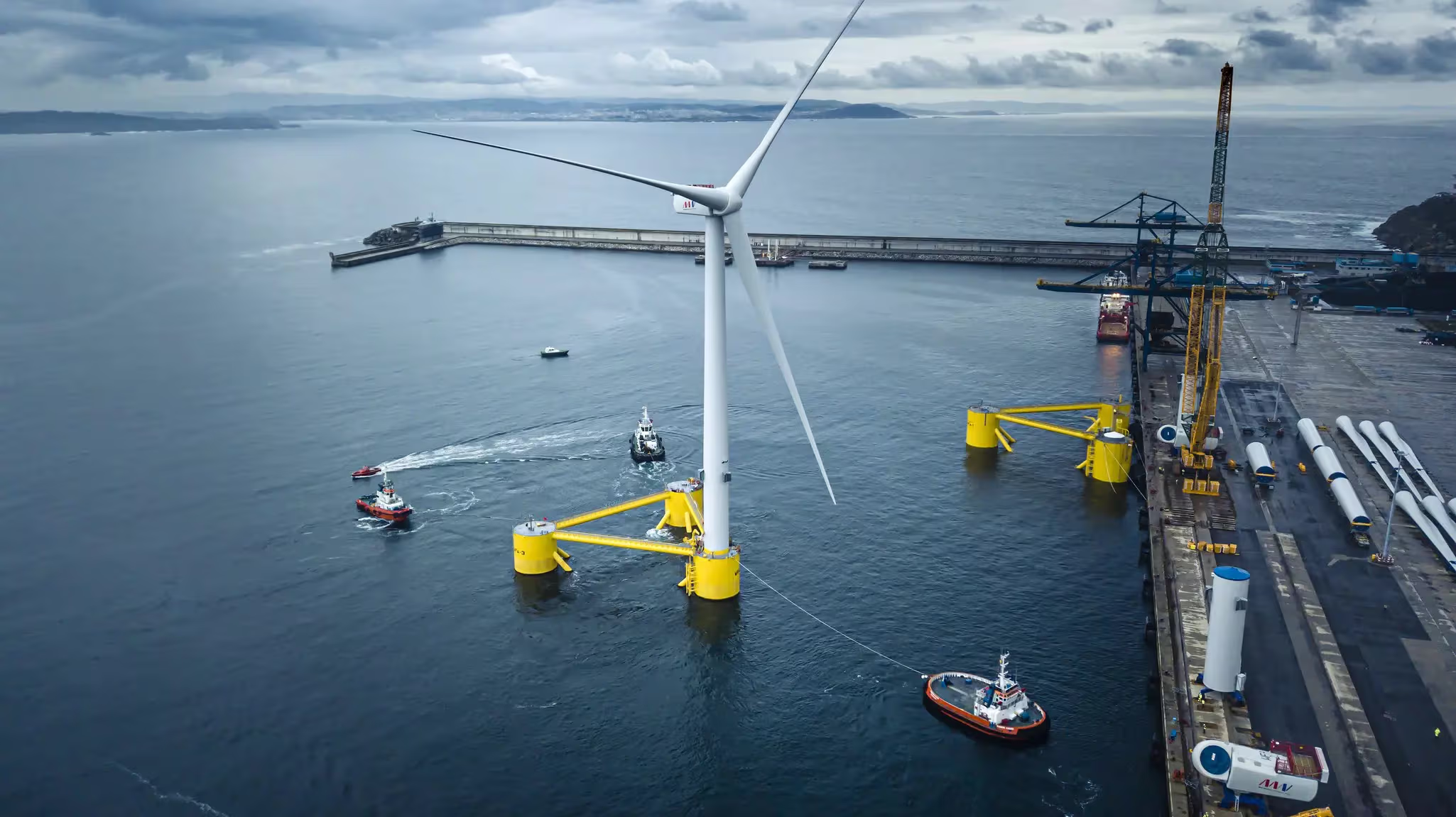
- Floating — Emerging for >60m depths; platforms moored to seabed. Projects like Hywind Scotland and Kincardine lead; rapid growth expected.
Floating offshore wind platforms:
Current Status (2025)
- Capacity: ~83 GW operational mid-2025; ~19 GW additions expected.
- Market Value: USD 40-56 billion, with high growth projections.
- Top Countries: China (~41 GW, half global), UK (~15 GW), Germany, Netherlands, Taiwan.
Leading nations and capacity visuals:
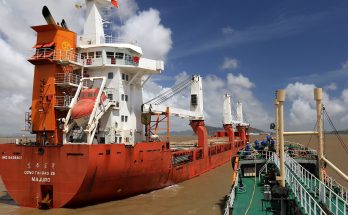
Installation vessels deploying turbines:
Advantages and Challenges
Advantages:
- Higher wind speeds/capacity factors (40-50% vs. 30-40% onshore).
- Minimal land use/visual impact from shore.
- Large-scale potential in coastal regions.
Challenges:
- Higher costs (installation, maintenance).
- Harsh marine environment (corrosion, waves).
- Grid connection and supply chain issues.
- Ecological concerns (birds, marine life).
Environmental Impact
Offshore wind avoids operational emissions, displacing fossil fuels. Foundations create artificial reefs; careful siting mitigates wildlife impacts. Lifecycle emissions are low.
Future Outlook
Projections: 240-440 GW by 2030-2034; floating tech unlocks vast deepwater resources. Costs continue falling; innovations include 15-20 MW turbines and hybrid projects.
Offshore wind is crucial for global renewables, providing reliable clean power as deployment scales.
More articles by ZMR Researche:
https://www.zionmarketresearch.com/de/report/water-filtration-systems-market
https://www.zionmarketresearch.com/de/report/bourbon-spirits-market
https://www.zionmarketresearch.com/de/report/logistics-picking-robots-market
https://www.zionmarketresearch.com/de/report/logistics-picking-robots-market
https://www.zionmarketresearch.com/de/report/smart-virtual-personal-assistants-market-size