Online MAP Gas Analyzers are specialized instruments designed for continuous, real-time monitoring of gas composition in Modified Atmosphere Packaging (MAP) production lines. MAP is a preservation technique widely used in the food, beverage, and pharmaceutical industries to extend product shelf life by replacing the air inside packaging with a precise mixture of gases, typically nitrogen (N₂), carbon dioxide (CO₂), and oxygen (O₂). “Online” refers to inline or continuous analyzers integrated directly into the packaging process, as opposed to offline or handheld devices that perform spot checks on finished packages.
These analyzers ensure that the gas flushing equipment and mixing systems maintain the optimal protective atmosphere, preventing spoilage, oxidation, and microbial growth. By providing 100% inspection of production, online MAP gas analyzers reduce waste, minimize excess gas usage, and enhance quality assurance. Leading manufacturers like AMETEK MOCON (under the Dansensor brand) dominate the market, with products tailored for high-speed lines such as flow wrappers, thermoformers, and tray sealers.
As global demand for packaged foods grows, the online MAP gas analyzers market is expanding rapidly, driven by food safety regulations, sustainability goals, and the need to reduce food waste.
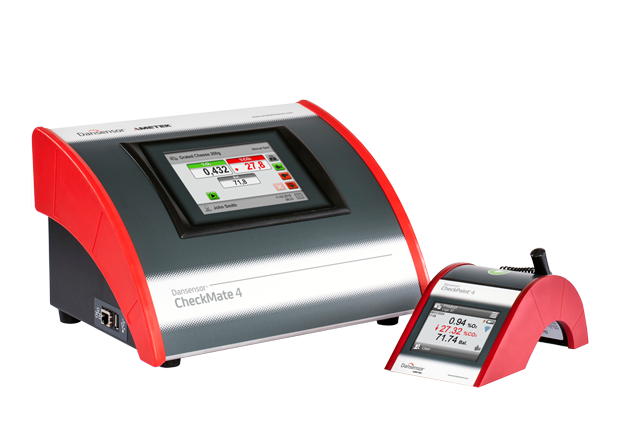
What is Modified Atmosphere Packaging (MAP)?
Modified Atmosphere Packaging involves altering the gaseous environment inside a package to prolong the freshness of perishable products. Common gas mixtures include:
- High CO₂ (20-100%) to inhibit bacteria and mold.
- Low O₂ (often <1%) to prevent oxidation.
- Balance N₂ as an inert filler.
For example, red meat packages often use high O₂ (60-80%) to maintain color, combined with CO₂, while fresh produce might require low O₂ and moderate CO₂. The precise composition varies by product: poultry, seafood, cheese, snacks, baked goods, and fruits/vegetables all have tailored requirements.
Without accurate gas control, products can spoil prematurely, leading to economic losses and safety risks. Online analyzers address this by monitoring gas levels continuously during packaging.
A typical online MAP analyzer setup on a production line:
This image shows an inline system in action, highlighting integration with packaging machinery.
How Online MAP Gas Analyzers Work
Online MAP gas analyzers operate by continuously sampling gas from the packaging line, typically from the film tunnel, forming tube, or gas flushing zone just before sealing. A small probe or sampling line extracts gas, which is then analyzed for O₂, CO₂, and sometimes N₂ (as balance).
Key technologies include:
- Zirconium oxide sensors for precise O₂ measurement.
- Infrared sensors for CO₂ detection.
- Parametric or electrochemical sensors for versatility.
The analyzer compares readings against set limits and triggers alarms or automatic adjustments (e.g., GasSave functions to optimize flushing). Data logging enables traceability and integration with factory systems for Industry 4.0 compliance.
Unlike handheld headspace analyzers (which pierce finished packages), online systems provide proactive control, reducing the need for destructive testing and repackaging.
A close-up of a popular online analyzer unit:
This depicts the Dansensor MAP Check 3, a benchmark device with touchscreen interface.
Types of MAP Gas Analyzers
MAP gas analyzers fall into two main categories: online (inline/continuous) and offline (headspace/portable).
Online Analyzers
Designed for horizontal/vertical form-fill-seal, thermoforming, and tray sealing machines.
- For flow packaging: Measure gas in the flushing tunnel.
- Vacuum variants: For thermoformers with gas flush after evacuation.
- Pressure variants: For pre-mixed gas tanks.
Benefits: Real-time feedback, gas savings up to 50%, higher line speeds.
Example inline vacuum analyzer for tray sealing:
Offline/Headspace Analyzers
Portable or benchtop units for random sampling of finished packages via needle insertion.
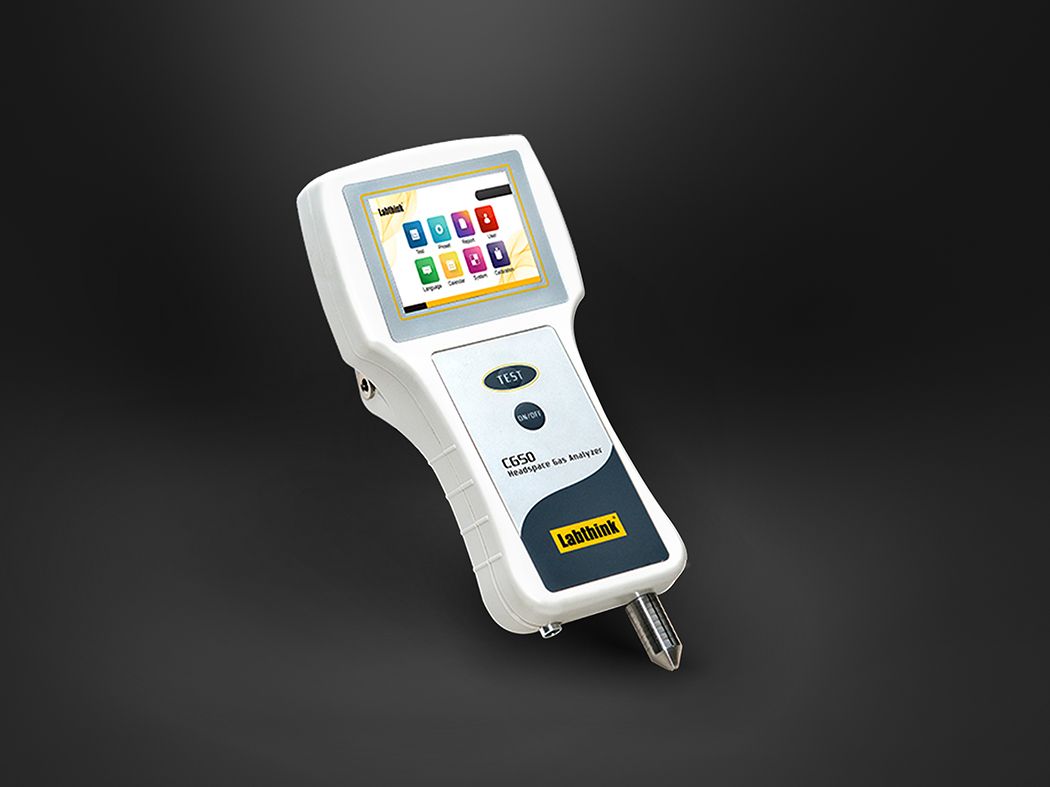
Handheld device for spot-checking MAP packages:
Another portable headspace analyzer example:
These are complementary to online systems for verification.
Key Players and Products
- AMETEK MOCON (Dansensor): Market leader with MAP Check 3 series (standard, vacuum, pressure). Features GasSave for reduced consumption, touchscreen, and data export.
- WITT Gasetechnik: Offers inline and portable options with robust sensors.
- Bridge Analyzers: Focuses on headspace but expanding to process monitoring.
- AGC Instruments: Map-Pak series, primarily offline but with process applications.
- Others: Systech Illinois, Labthink, and Cubic Sensor.
The MAP Check 3 family in a production setting:
Benefits and Advantages
- 100% Quality Control: Eliminates random sampling risks.
- Cost Savings: Reduces gas usage and rework.
- Sustainability: Lowers CO₂ emissions from waste and excess flushing.
- Compliance: Meets HACCP, FDA, and EU food safety standards.
- Safety: Minimizes workplace CO₂ exposure via optimized flushing.
Market projections indicate strong growth, with integration of IoT for remote monitoring.
Challenges
- High initial cost.
- Integration complexity with existing lines.
- Sensor maintenance and calibration needs.
- Limited to certain packaging formats.
Advancements in sensor durability and automation are addressing these.
Future Outlook
With rising demand for ready-to-eat foods and e-commerce delivery, online MAP analyzers will incorporate AI for predictive maintenance and full automation. The market is expected to grow at a CAGR of around 9-10% through 2032, fueled by sustainability and regulatory pressures.
Conclusion
Online MAP gas analyzers are essential for modern food packaging, ensuring consistent quality, extended shelf life, and operational efficiency. By shifting from reactive spot checks to proactive inline monitoring, manufacturers achieve superior control and sustainability. As technology evolves, these systems will play an even greater role in reducing global food waste and enhancing supply chain reliability.
More articles by ZMR Researche:
https://www.zionmarketresearch.com/de/report/baby-pacifier-market
https://www.zionmarketresearch.com/de/report/cervical-cancer-screening-market
https://www.zionmarketresearch.com/de/report/quadricycle-and-tricycle-market
https://www.zionmarketresearch.com/de/report/ascites-market
https://www.zionmarketresearch.com/de/report/tendon-repair-market