Peaking power plant, also known as a peaker plant or peak-load plant, is an electricity generation facility designed to operate primarily during periods of high (peak) demand on the electrical grid, providing rapid-response power to balance supply and demand fluctuations. Unlike baseload plants (nuclear, coal) that run continuously or intermediate-load plants (combined-cycle gas) that operate most of the day, peakers are characterized by quick startup times (minutes to hours), flexibility, and relatively low annual capacity factors (typically 5-20%).
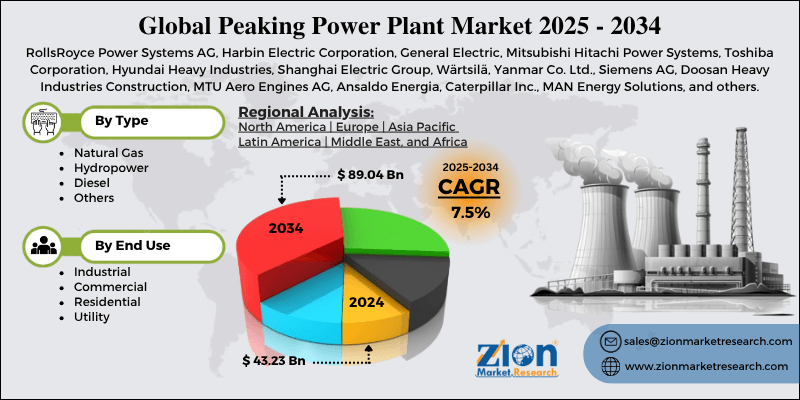
The concept emerged in the mid-20th century as electricity demand grew unevenly—higher during daytime/evening peaks. Early peakers used simple-cycle gas turbines; modern versions include reciprocating engines, battery storage hybrids, and pumped hydro. As of 2025, peaking capacity exceeds 1,000 GW globally, with natural gas dominating (~70%), though renewables + storage are rapidly gaining share for decarbonization. The global peaker market (new builds/upgrades) is valued at USD 20-30 billion annually, driven by renewable integration (solar/wind intermittency), electrification (EVs, heat pumps), and extreme weather events increasing peak loads.
Peaking Plants ensure grid reliability, prevent blackouts, and support the transition to variable renewables by providing dispatchable power when needed most.
Role in the Electrical Grid
Electricity demand varies predictably:
- Daily Peaks: Evening (residential lighting/cooking/AC).
- Seasonal Peaks: Summer cooling, winter heating.
- Unpredictable: Weather extremes, events.
Grid operators use:
- Baseload: Constant, low-cost (nuclear, coal, run-of-river hydro).
- Intermediate: Daily cycling (CCGT).
- Peaking: High-demand spikes.
Peakers:
- High marginal cost but low capital utilization.
- Essential for reliability (NERC standards).
- Increasingly critical with renewables (duck curve—solar midday surplus, evening ramp).
Capacity payments or energy markets compensate low utilization.
Types of Peaking Power Plants
- Simple-Cycle Gas Turbines (SCGT) Dominant; aeroderivative (jet-engine based) or industrial frame.
- Startup: 10-30 minutes.
- Efficiency: 35-42%.
- Fuel: Natural gas, distillate.
- Reciprocating Internal Combustion Engines (RICE) Large diesel/gas engines (Wärtsilä, MAN).
- Startup: <5-10 minutes.
- Efficiency: 45-50%.
- Black-start capable.
- Pumped Hydro Storage Water pumped uphill off-peak; released peak.
- Efficiency: 70-85%.
- Long-duration.
- Battery Energy Storage Systems (BESS) Lithium-ion dominant; rapid response (milliseconds).
- Growing fastest; 4-hour duration common.
- Compressed Air Energy Storage (CAES) Air compressed off-peak; released with gas combustion.
- Hybrid Gas turbine + battery; optimized dispatch.
- Legacy Oil-fired steam, older hydro.
Technical Characteristics
- Ramp Rate: MW/minute change.
- Minimum Load: Low turndown for flexibility.
- Emissions: Higher per MWh (lower efficiency).
- Lifetime: 20-40 years; low hours reduce wear.
Modern: Hydrogen-ready turbines, low-NOx burners.
Applications and Examples
- Grid Balancing: California duck curve (evening ramp).
- Island Grids: Hawaii, remote areas.
- Renewable Integration: Germany Energiewende.
- Extreme Events: Texas 2021 freeze (peakers critical).
Examples:
- U.S.: GE LM6000 aeroderivative fleets.
- Europe: Siemens SGT-800.
- Battery: Hornsdale (Australia), Moss Landing (California).
Advantages
- Fast response.
- Flexibility.
- Reliability.
- Lower capital vs. baseload.
- Geographic siting near load.
Challenges
- High operating cost/fuel.
- Emissions (NOx, CO₂).
- Low efficiency.
- Noise/vibration.
- Transition risk (renewables + storage cheaper in many cases).
Market Trends
- Battery displacement (LCOE < gas peakers in many regions).
- Hydrogen/ammonia pilots.
- Digital controls (AI forecasting).
- Asia-Pacific growth (urbanization).
- Decommissioning old oil peakers.
Environmental Impact
- Higher CO₂/MWh than CCGT.
- Mitigation: Carbon capture, biofuels, electrification.
Battery peakers: Zero operational emissions.
Future Outlook
By 2030-2050:
- Hybrid gas-battery standard.
- Green hydrogen peakers.
- Virtual power plants (aggregated DER).
- Reduced need with demand response/storage.
Conclusion
Peaking power plants provide essential grid flexibility, bridging demand spikes and renewable variability. Gas turbines and engines dominate today, but batteries and hydrogen are transforming the landscape toward cleaner, faster response. As electrification accelerates, peakers evolve from fossil backups to integrated clean energy assets, ensuring reliable power in a decarbonizing world. Strategic investment in flexible capacity remains critical for energy security.
More articles by ZMR Researche:
https://www.zionmarketresearch.com/de/report/paper-cushion-machines-market
https://www.zionmarketresearch.com/de/report/paprika-market
https://www.zionmarketresearch.com/de/report/smart-pet-feeder-market
https://www.zionmarketresearch.com/de/report/over-the-counter-otc-hearing-aids-market
https://www.zionmarketresearch.com/de/report/point-of-sale-display-market