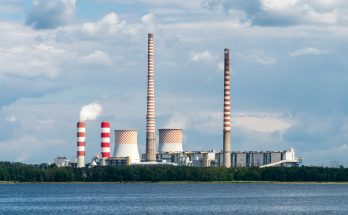
Residential Boiler is a closed vessel that heats water or generates steam for home heating systems, typically distributing heat via radiators, baseboards, underfloor radiant tubing, or forced-air coils. Unlike furnaces that heat air directly, boilers heat water (hot water boilers) or produce steam (steam boilers), offering even, comfortable warmth with minimal air movement and dust circulation.
Boilers have been used for central heating since the late 19th century, evolving from coal-fired cast iron behemoths to today’s efficient, compact gas or oil units. Modern residential boilers emphasize energy efficiency, compact design, quiet operation, and integration with smart home systems. As of 2025, the global residential boiler market is valued at approximately USD 10-15 billion, driven by replacement demand in mature markets (Europe, North America), new construction in emerging economies, and the shift toward low-carbon heating solutions like condensing technology and heat pumps.
Types of Residential Boilers
Residential boilers are classified by fuel, efficiency, venting, and system type:
- By Fuel Source
- Natural Gas/Propane: Most common (70-80% market share); clean, efficient.
- Oil: Popular in regions without gas mains.
- Electric: Simple, 100% efficient at point of use; higher operating cost.
- Biomass/Wood Pellet: Renewable, eco-friendly in rural areas.
- By Efficiency and Technology
- Conventional/Non-Condensing: 80-85% AFUE (Annual Fuel Utilization Efficiency); vent through chimney.
- Condensing: 90-98% AFUE; recover heat from exhaust gases, require PVC venting.
- By System Type
- Hot Water (Hydronic): Dominant; circulates heated water.
- Steam: Older systems; higher maintenance.
- By Configuration
- Combi (Combination): Provides both space heating and on-demand domestic hot water.
- System Boiler: Heating only; works with separate hot water cylinder.
- Heat-Only (Regular): Basic heating; requires cold water tank and hot water cylinder.
Wall-hung (compact) and floor-standing models cater to space constraints.
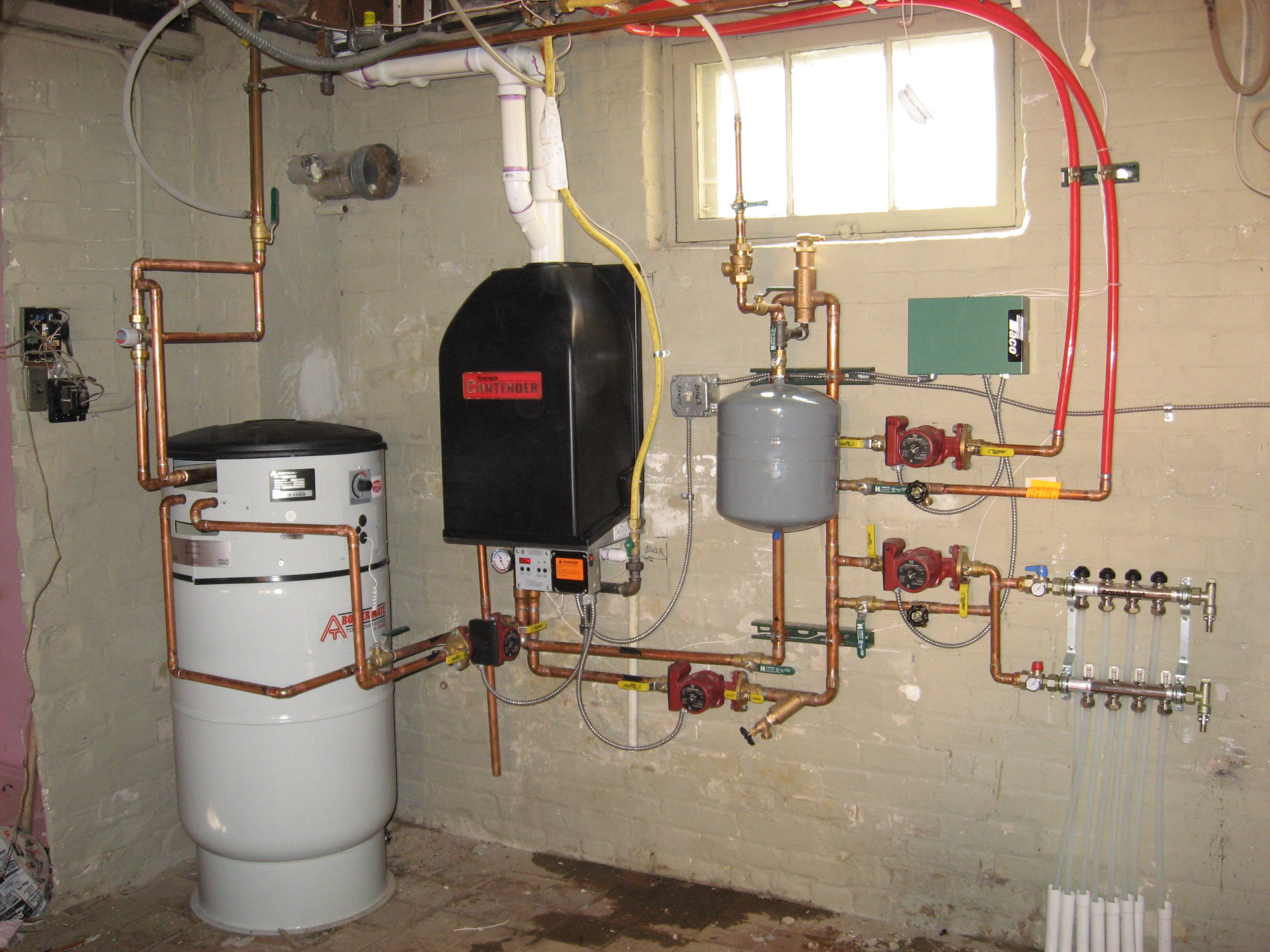
Key Components
A typical boiler includes:
- Burner: Mixes fuel/air for combustion.
- Heat Exchanger: Transfers heat to water (cast iron, stainless steel, aluminum-silicon alloy).
- Circulator Pump: Moves water through system.
- Expansion Tank: Accommodates water volume changes.
- Controls: Thermostat interface, aquastat, ignition module.
- Venting: Exhaust flue gases (direct vent, power vent, or chimney).
- Safety Devices: Pressure relief valve, low-water cutoff, flame sensor.
Condensing models add secondary heat exchanger and condensate drain.
Installation and System Design
- Sizing: Based on heat loss calculation (Manual J); oversizing causes short-cycling, undersizing inadequate heat.
- Distribution: Radiators, baseboards, radiant floor (PEX tubing).
- Zoning: Multiple thermostats and zone valves for room-by-room control.
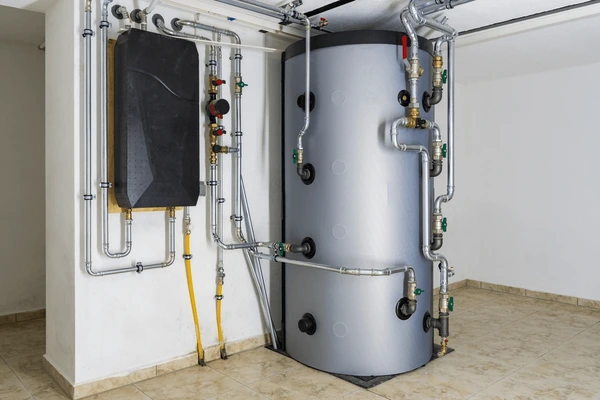
- Domestic Hot Water: Indirect tank or combi integration.
Professional installation required; codes mandate permits, venting compliance, and carbon monoxide detectors.
Efficiency and Performance
- AFUE Rating: Primary efficiency metric; condensing gas boilers reach 95-98%.
- Modulation: Variable firing rate matches demand, improving comfort/efficiency.
- Low NOx Burners: Reduce emissions.
- Smart Controls: Wi-Fi thermostats (Nest, Ecobee) optimize schedules.
Annual maintenance (tuning, cleaning) preserves 90%+ efficiency.
Advantages and Benefits
- Even, draft-free heat.
- Quiet operation.
- Long lifespan (15-30 years).
- Zoning flexibility.
- Compatibility with radiant flooring (superior comfort).
- High efficiency in condensing models (lower bills).
Limitations and Considerations
- Higher upfront cost vs. forced-air furnaces.
- Slower response time.
- Potential leaks or corrosion.
- Space requirements (utility room).
- Retrofitting challenges in homes without hydronic infrastructure.
Market Trends
- Condensing dominance (90%+ new installations in Europe).
- Hybrid systems (boiler + heat pump).
- Hydrogen-ready boilers for future decarbonization.
- Smart/IoT integration.
- Asia-Pacific growth (urbanization in China/India).
Leading brands: Viessmann, Worcester Bosch, Baxi (Europe); Weil-McLain, Lochinvar, Navien (North America).
Maintenance and Safety
Annual servicing: Clean heat exchanger, check controls, test safety devices. Common issues: Scale buildup (hard water), pump failure, air locks. Carbon monoxide risk mandates detectors and proper venting.
Environmental Impact
Modern condensing boilers reduce CO₂ emissions 20-30% vs. older models. Shift to renewable gas (biomethane, hydrogen blends) enhances sustainability.
Conclusion
Residential boilers remain a reliable, efficient cornerstone of home heating, particularly valued for comfort and longevity in cold climates. Advances in condensing technology, smart controls, and low-carbon compatibility ensure their relevance amid energy transitions. Proper sizing, installation, and maintenance maximize performance, delivering decades of dependable warmth while minimizing environmental footprint. As hybrid and renewable-ready models emerge, boilers will continue evolving to meet modern efficiency and sustainability demands.
More articles by ZMR Researche:
https://www.zionmarketresearch.com/de/report/interconnect-data-center-solution-market
https://www.zionmarketresearch.com/de/report/resolvers-market
https://www.zionmarketresearch.com/de/report/escape-room-market
https://www.zionmarketresearch.com/de/report/rx-medical-food-market
https://www.zionmarketresearch.com/de/report/immunochemistry-analyzers-market